Nova Espero at Lita Clinic: Reproductive Medicine, Resilience and Why Ukraine Never Stopped
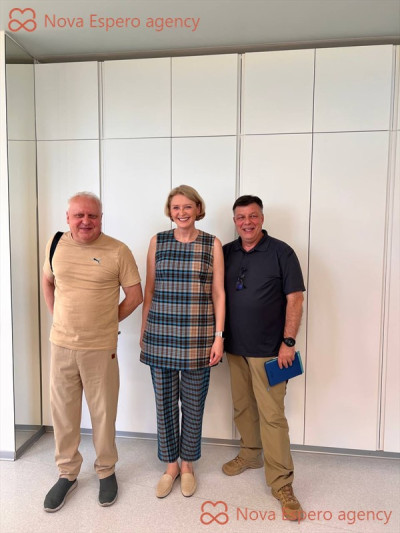
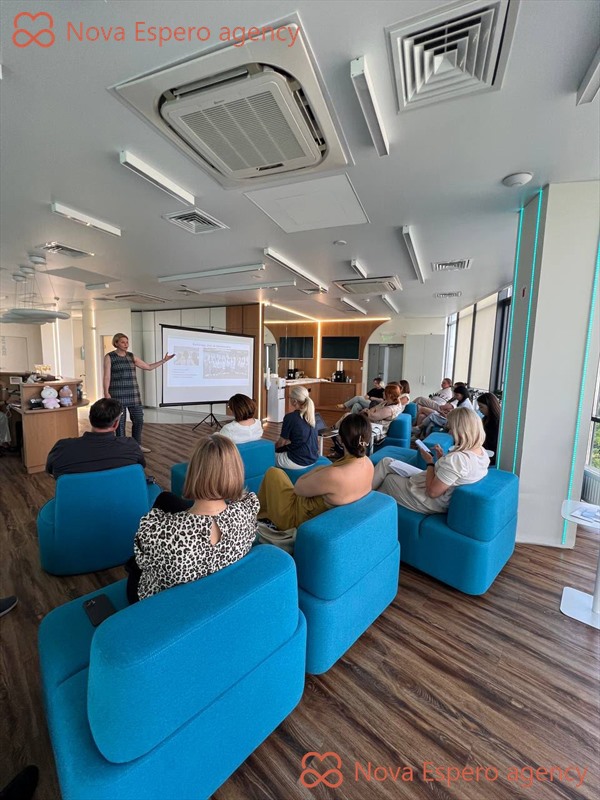
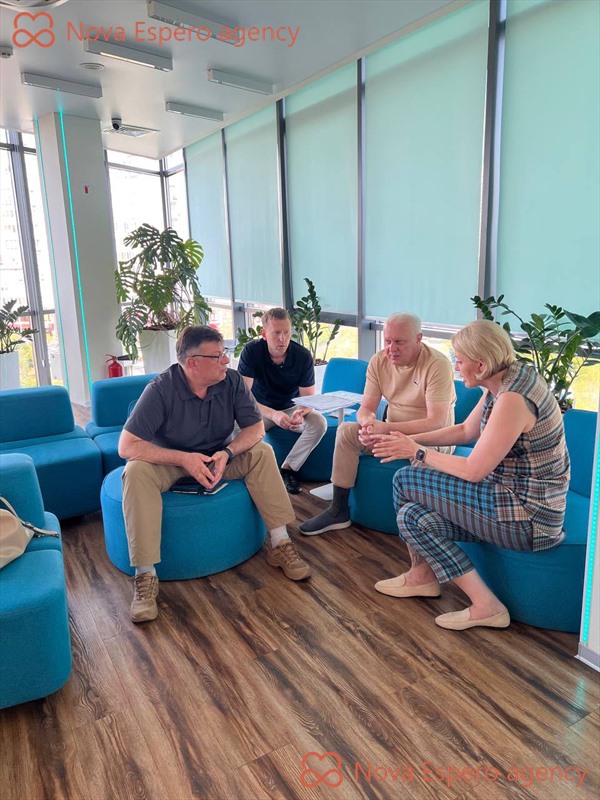
In July 2026, the Nova Espero team attended a professional event hosted by Lita Clinic, bringing together embryologists, reproductive endocrinologists, coordinators and specialists working in assisted reproduction.
The event showed how Ukrainian reproductive medicine has continued to work, develop and protect patients’ programs throughout the war, while introducing new technologies and practical safeguards for IVF and surrogacy in Ukraine.
Dr. Natalia Vladykina: Honest About the War and About Medicine
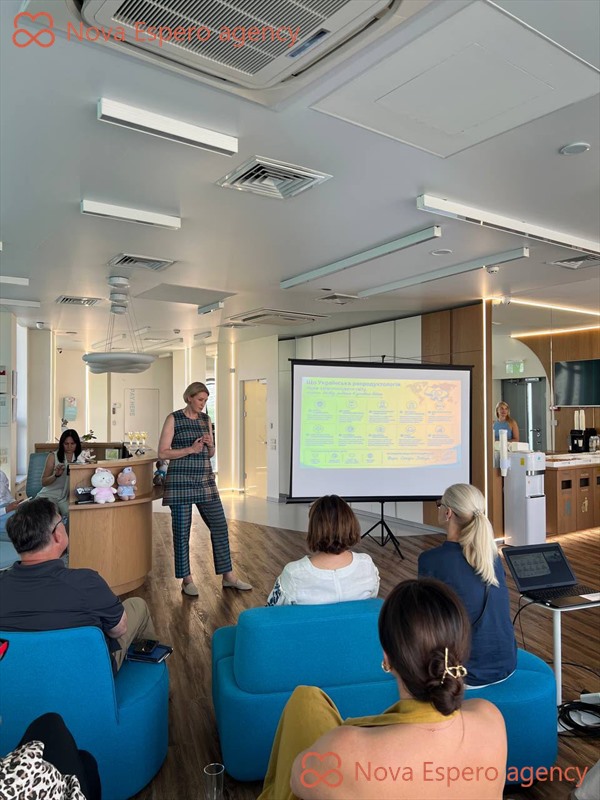
One of the most important parts of the event was the presentation by Dr. Natalia Vladykina. She spoke openly about the first days of the full-scale invasion and the responsibility felt by doctors whose patients had already begun treatment or had embryos stored in Ukraine.
“In the early days of the war, no one was thinking about their own safety. We were thinking about our patients and their future.”
Her words reflected the practical reality of reproductive medicine: treatment cannot always be paused without consequences. Clinics, doctors, embryology teams and coordinators had to protect cryomaterial, preserve active protocols and remain available to patients even under exceptional pressure.
How Lita Clinic Kept Working During the War
Cryomaterial protection
The clinic prepared protected storage, backup systems and operating procedures designed to safeguard embryos and other cryomaterial. According to the clinic’s presentation, no embryo was lost.
Uninterrupted power supply
Generators and permanent backup infrastructure became part of daily clinical practice. These systems are tested and maintained so that laboratory and storage equipment can continue operating during interruptions to the public electricity supply.
Continuing active protocols
Ovarian stimulation, egg retrievals and embryo transfers continued when medically appropriate. Doctors and coordinators remained in contact with patients and adapted schedules when travel or security conditions required it.
“It’s not just our job. It’s simply our lifestyle.”
Is IVF and Surrogacy in Ukraine Safe in 2026?
The practical answer is yes. Leading Ukrainian clinics have built infrastructure, emergency protocols and safety systems that protect embryos and allow treatment to continue. Every family’s circumstances must still be assessed individually, including travel, medical history, nationality and documentation requirements.
For intended parents, the strongest protection comes from the combination of an experienced doctor, a reliable embryology team, trained coordinators and an agency that can connect the medical, candidate and legal parts of the program.
What Lita Clinic Has Implemented and Is Working On
Non-invasive prenatal paternity testing
The clinic discussed non-invasive prenatal paternity testing from approximately weeks 9–10 of pregnancy. The stated accuracy is above 99%, with results generally available within 7–14 working days.
Extended NIPT
Extended non-invasive prenatal testing can provide screening information about a wider range of chromosomal conditions. The appropriate test and timing should always be selected with the treating doctor.
Endometrial tissue restoration
Specialists also presented work related to endometrial tissue restoration and approaches intended to improve the uterine environment in selected clinical situations.
IVM — In Vitro Maturation
In vitro maturation involves collecting immature oocytes and maturing them in laboratory conditions. It may be considered in selected cases, although it is not a replacement for standard IVF protocols and requires careful medical assessment.
Why Nova Espero Partners With Lita Clinic
Nova Espero chooses medical partners not only by their equipment or marketing, but by the way the doctor and the entire clinical team work under pressure. Reproductive programs depend on continuity, clear communication, careful documentation and the ability to respond when circumstances change.
For us, trust is built through real work: protecting embryos, supporting patients, coordinating treatment and taking responsibility for the future of each family. The professional event at Lita Clinic confirmed the importance of cooperation between experienced doctors, embryologists, medical-document teams and agency coordinators.
Every case is different. Nova Espero reviews the family’s diagnosis, available embryos or egg-donation needs, nationality, timing and legal documentation before recommending a clinic, doctor and program pathway.